Supporting Teenagers with Posture & Spinal Changes
An osteopathic perspective for parents
Over the past year, we’ve been seeing more teenagers coming into clinic with subtle changes in their posture — things like uneven shoulders and hips, clothes not sitting quite right, walking slightly differently or a feeling of tightness in the back or chest.
For many families, this can feel worrying, especially when the word “scoliosis” is mentioned.
The reassuring news is that in many cases, these changes are often functional — meaning they’re caused by temporary imbalances in the body, rather than a fixed structural problem. With the right support, they can often improve significantly.
We wanted to share a recent story, as it’s one many parents may recognise.
A Teenager’s Story
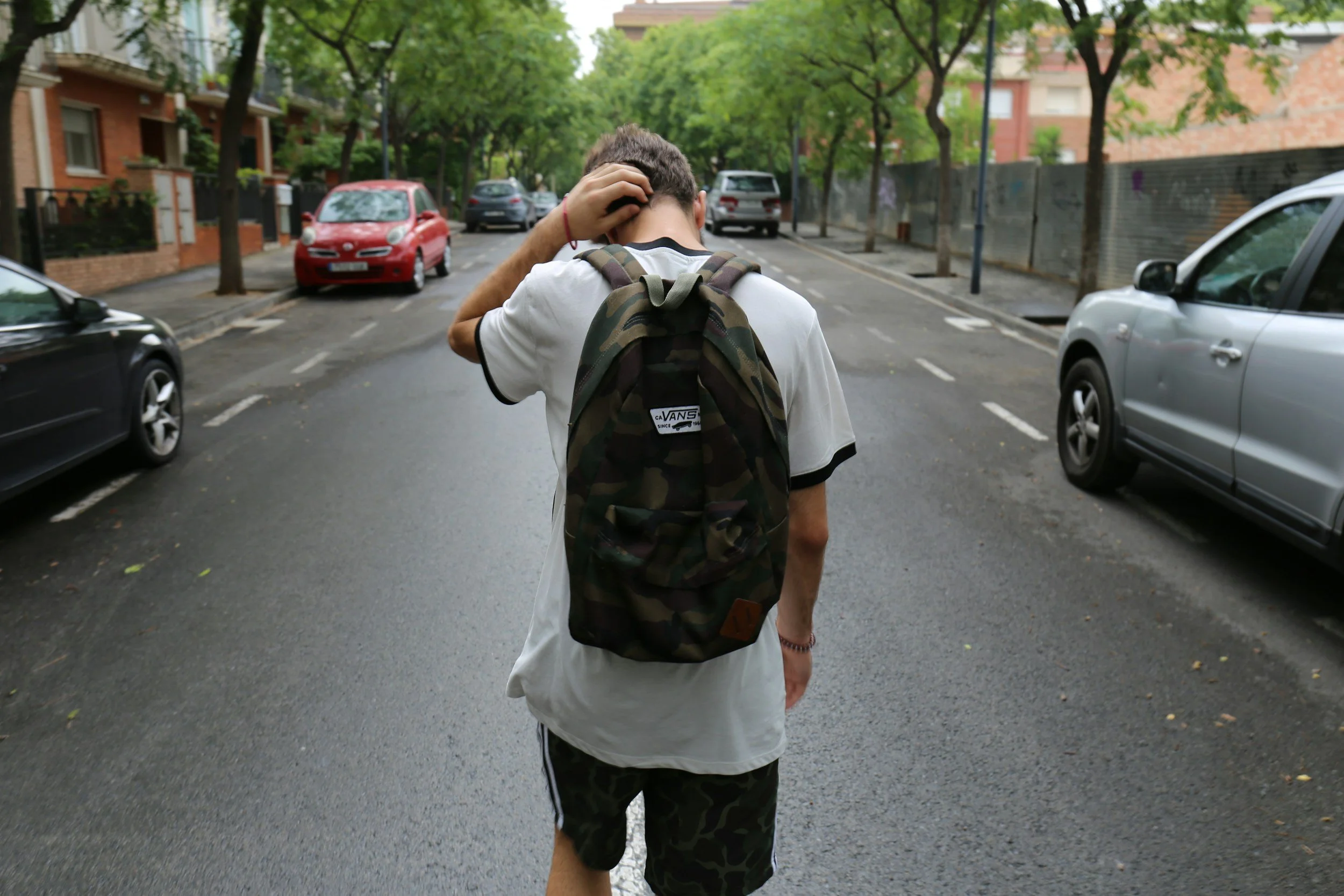
A thoughtful, aware and active 13-year-old came to see us after noticing that his body didn’t feel quite balanced anymore.
Over time, he had become aware that:
his hips felt uneven
his clothes were sitting differently
one side of his chest looked slightly more prominent
He also experienced a feeling of tightness through his mid-back and chest, especially after activity.
There wasn’t significant pain — but something just didn’t feel quite right.
There was also a family history of mild scoliosis, which understandably added to the concern.
What Was Happening?
On assessment, his spine itself was healthy and structurally normal.
Instead, his body had developed a gentle curve as a way of adapting to imbalances elsewhere — particularly around the pelvis, legs, and muscles.
We often describe this as functional scoliosis: a temporary curve that develops as the body tries to stay balanced.
In this case, we found:
one side of the pelvis sitting slightly higher
differences in muscle tension between the two sides
tightness through the hips and legs
subtle rotation affecting the rib cage and chest
These kinds of changes are actually quite common during growth, especially in active teenagers.
Why Does This Happen?
Teenage bodies are constantly growing and adapting, which can sometimes lead to temporary imbalances.
Some common contributing factors include:
growth spurts
posture (including time spent sitting or using devices)
sports or repetitive movements
carrying heavy bags
previous illness or physical strain
natural differences in strength or flexibility
The body is incredibly clever — it will always try to compensate and keep us upright and moving. Sometimes, this simply shows up as a small shift in alignment.
A Different Way of Looking at Scoliosis
In osteopathy, we see the body as a connected whole rather than a collection of separate parts.
This means that a curve in the spine isn’t just something to “correct” — it’s often a sign that the body is adapting to find balance.
When we gently support the areas that are tight or restricted, the body often begins to rebalance itself naturally.
This is why early, gentle support can make such a difference.
How Osteopathy Can Help
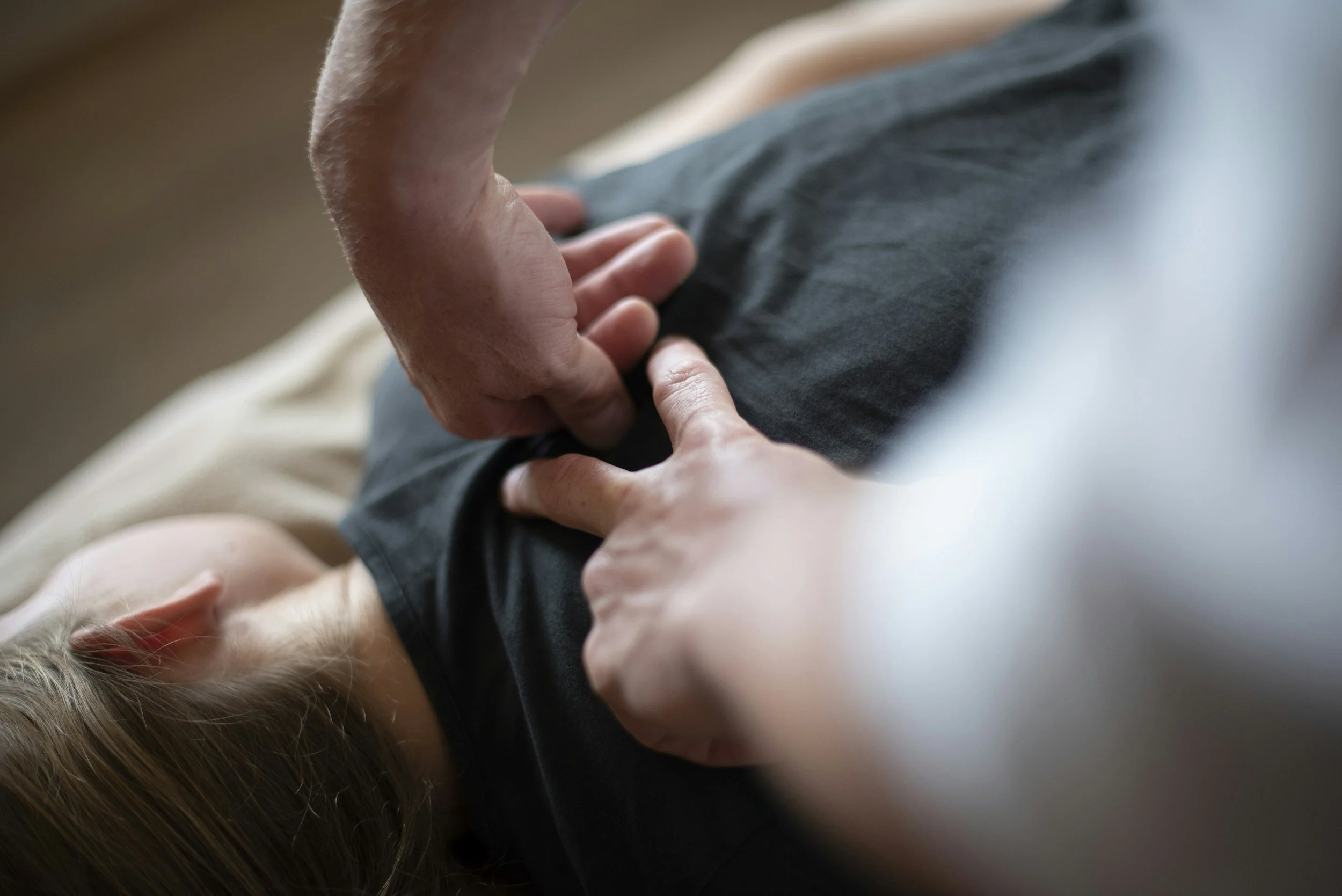
Our approach is always gentle and tailored to the individual.
Rather than forcing the body into position, we work with it to encourage better balance and ease.
Treatment may include:
Supporting whole-spine alignment, including areas of restriction and the neck
Improving rib cage and chest mobility
Encouraging relaxed, balanced breathing
Supporting nervous system regulation
Enhancing coordination and stability
The aim is to help the body “unwind” its compensations so that posture, comfort, and movement can improve naturally.
What Parents Might Notice
These kinds of changes can be very subtle. Some early signs to look out for include:
uneven shoulders or hips
clothes hanging unevenly
a slight difference in the waist or rib shape
your child mentioning tightness or discomfort
changes in posture during a growth spurt
one leg appearing longer than the other
If you notice any of these, it doesn’t necessarily mean anything serious — but it can be helpful to have things checked early.
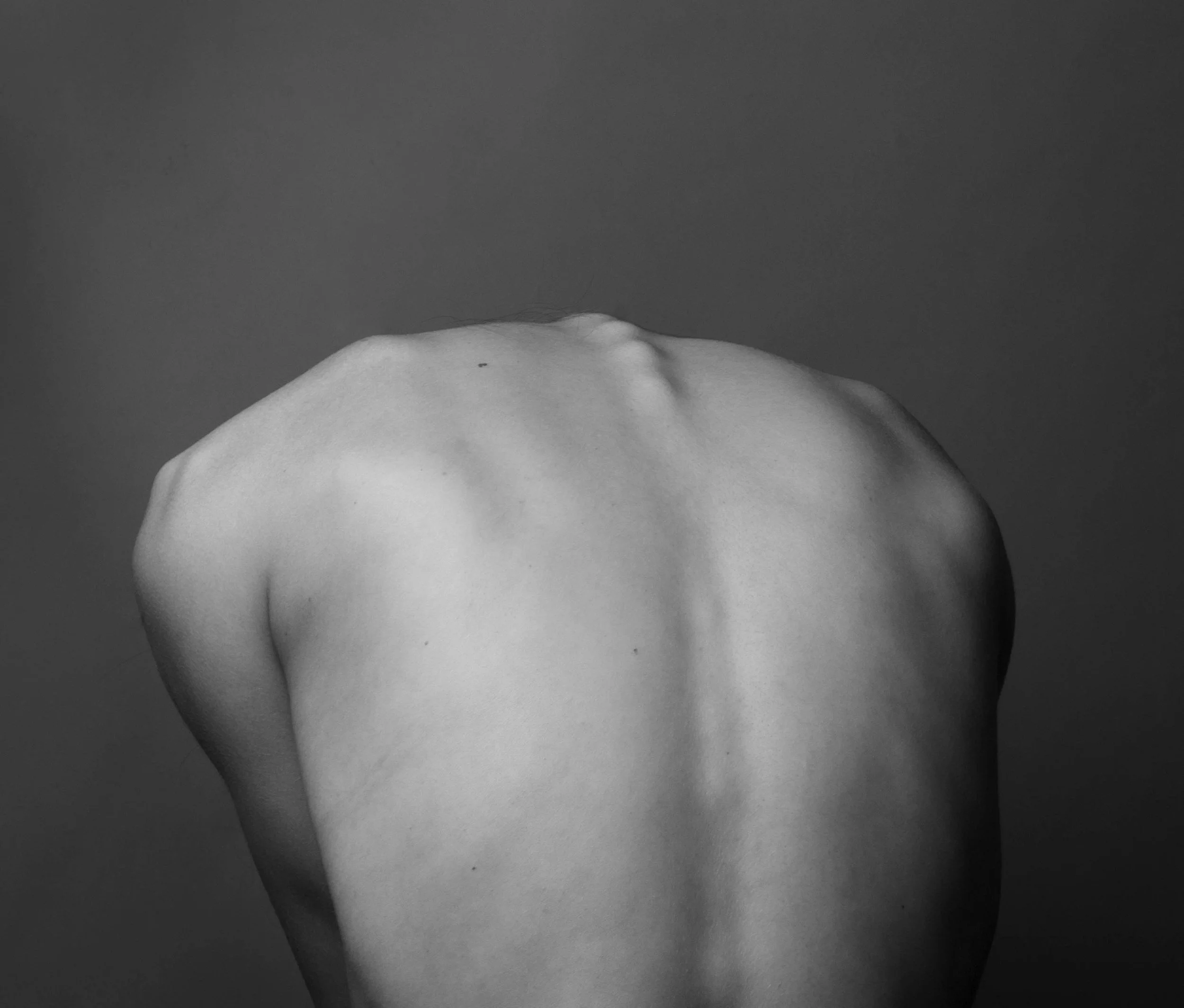
What About Rib Asymmetry?
Some parents notice a slight prominence on one side of the rib cage, especially when their child bends forward.
This can happen when the body is rotating slightly to compensate for imbalance.
It’s often linked to tightness through the chest and back — and can improve as the body regains better balance and movement.
The Outcome
After a small number of sessions, this young man experienced:
a greater sense of balance in his body, as his spinal alignment returned and his functional curve resolved
improved posture
less tightness through his back and chest
clothes sitting evenly
Just as importantly, he felt more comfortable and confident in his body again.
A Parent’s Experience
“When my teenage son began experiencing back pain, he asked for an appointment with Laura, having had such positive experiences previously. For a teenager to proactively request a health appointment is, in my experience, quite something and it speaks to the trust and rapport she had already built with him.
During that appointment, she identified what appeared to be a slight scoliosis and suggested a short course of treatment. The outcome has been extraordinary — the signs she identified have all but reversed.
The physical outcome has been remarkable, but what stands out most is how comfortable and listened to my son has felt throughout. We are hugely grateful for this service being accessible to families. I would recommend it without hesitation.”
— J.F., Mother
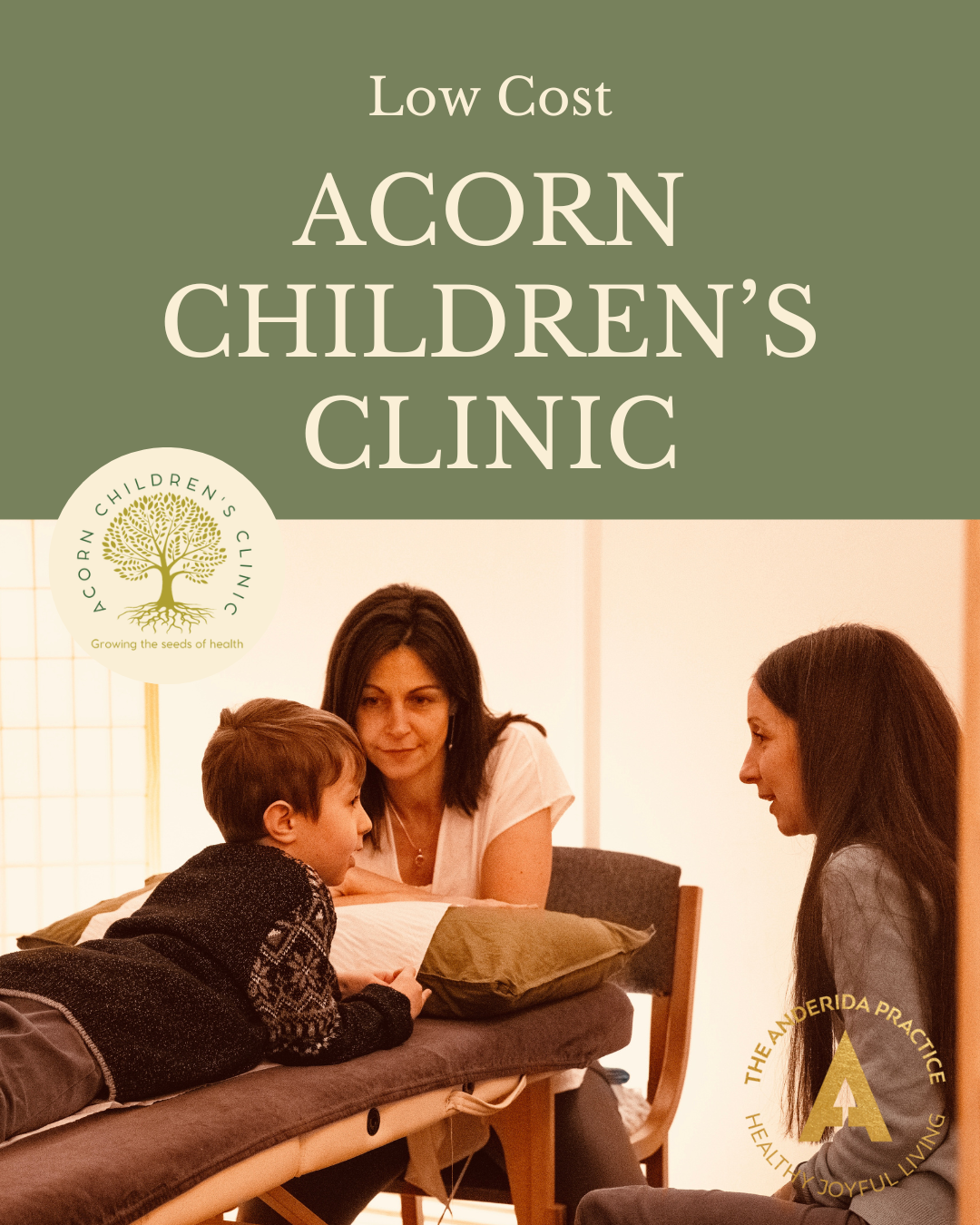
A Reassuring Note for Families
If you’ve noticed changes in your child’s posture, alignment, or movement, you’re not alone — and in many cases, these patterns are very manageable.
Early, gentle support can make a real difference, helping your child feel more balanced, comfortable, and confident as they grow.
Our approach is always gentle, listening to the information the body is giving and what it is trying to tell us, and centred around the individual needs of each child and family.